

I often write about the importance of all children having access to Montessori programs because of they offer children engagement and a love of learning. However, it’s disheartening that many privately funded, high-fee Montessori programs overlook the crucial role of parents in their child’s Montessori journey. This results in many families whose children could benefit from Montessori choosing not to access it. It’s a missed opportunity for their child’s growth and development.
Today’s parents often find themselves on an emotional roller coaster. The abundance of information, diverse parenting styles, and peer influence can make this journey daunting. In this context, I’ve observed some Montessori educators providing significant support to parents, sometimes even more than to the children, and creating unhealthy parent dependencies. On the other hand, some educators choose not to engage with parents, providing them with an easy exit from the program and depriving their children of the many benefits of Montessori.
In their book Hope and Fears, Michael Thompson and Robert Evans aptly capture the emotional journey of many parents today. They invest heavily in their children, driven by hope for their potential, but also grapple with fears about future uncertainties. As educators and school leaders, we have a crucial role in alleviating these fears and guiding parents through the Montessori journey.
As educators and school leaders, it’s our responsibility to guide parents through the Montessori journey. Finding the right balance and providing the necessary support can help parents feel more confident and reassured about joining us, which is crucial for their child’s success in the program.
Montessori is like a foreign language; so much is initially incomprehensible, particularly in today’s context. What do you mean I can’t go to the classroom with my children daily to help them settle? Why are they using fragile material, like breakable glasses, to drink from? Why aren’t they learning the names of the letters instead of the sounds? Why am I not getting regular personal updates about my child as a parent? The last question may be the most fraught for parents and may ultimately lead to parents leaving your program.
While there are essential answers to the questions parents may have, the primary focus on children may provide an answer to the last one. A Montessori educator’s priority is to follow the child. Also, many educators may find it easier to interact with children than with adults. However, if we genuinely believe in the Montessori method, we must also help parents develop trust in us and their children. I think this can be achieved through brief, initial communication opportunities.
Admittedly, the first few weeks of school are exhausting for everyone, particularly parents hiding in the bushes, anxious about their child or educators trying to soothe a child who sobs off and on because it is the child’s first experience away from the parents. However, getting parents onside early and helping them understand how you will interact with their children is critical.
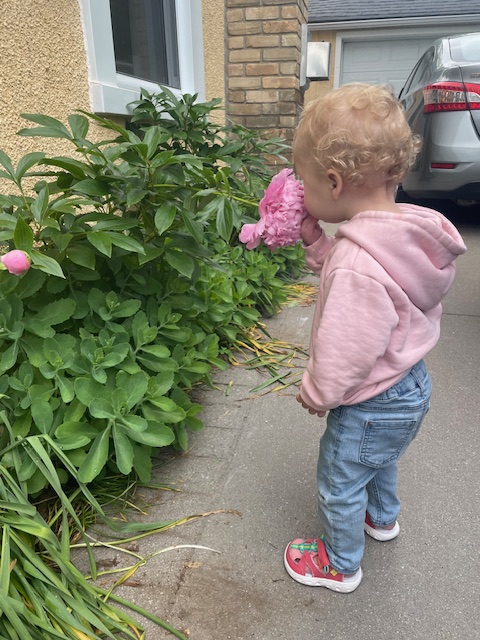
So, early in the school year, even the first days, if there is no time at drop off and pick up, schedule a quick 10-minute call with each family. Tell them it is a check-in call, so your conversation will be short. This call can assure their child is doing fine and even offer an anecdote or two of their child’s actions in a day. For example, they delight in smelling the flowers in the yard or thoroughly enjoy lunchtime and eat everything they are served. Nico is so independent with dressing; you must have been practising with him at home. Emma is engrossed in the puzzles or whatever personal detail you can share. Also, please make sure you allow time for a couple of questions. If they want a complete regurgitation of a parent meeting, redirect them to resources your school might have, remind them these things will be discussed in the newsletter, or set up a time to meet when you have more time. When you speak with parents, also listen to them deeply. See if you can ascertain their hopes and fears and build on them to develop this new relationship.
The adage, “Make hay when the sun shines,” is particularly true when working with parents. When you have the chance, invest in your relationship with your parents. It will pay off for them and their child, and they will view you as the expert rather than the TikTok meme or the Instagram post. It may be possible for parent-teacher rainstorms to come ahead at some point.


