

Jan 27, 2025

Growing up, books were everywhere in my home. Long before board books, my father had the Journey’s Through Bookland collection, which a dear friend gave him as a baby gift aeons ago when I was born in the middle of the last century! The first volume contained nursery rhymes and stories targeted at young children. My parents often read me some of the rhymes. And one day, I decided to devour some of them myself, literally. I ripped the first 50 pages out of the book. I attempted to start reading, but also to leave a legacy. The torn remnants reminded me to respect books and reading, and today, the volumes sit lovingly on my bookshelves.
Sixty years later, have you been in a bookstore lately? Or graced a library? Recently, I tried purchasing a couple of classic children’s books in a store, not online. Wow, what a shift.
As a lover of books and former educator, I frequented bookstores, including the children’s section, for years. Still, my journey into a library today is no longer through bookland. In the “bookstore”, I noticed the floor space now contained games, toys, and many household items rather than books; the selection dramatically shrunk compared to just a few years ago. After digging deep, I found a few classics, but I suspect most people wouldn’t persevere looking, assuming they went into the store. Libraries increasingly have other things because books are not in demand.
It is a vicious cycle for merchants and librarians. Children aren’t reading like they have in the past, and the impact is enormous. Seeing young and old children in a library curled up with a book feels nostalgic. Reading for pleasure seldom exists for many.
“The National Literacy Trust’s annual literacy survey 2025 reveals that one in three children and young people do not enjoy reading, with only 35% of eight to 18-year-olds stating that they enjoy reading in their spare time.” And the stats on adult literacy for 2025 in the US stand at 54% of adults have a literacy below a 6th-grade level (20% are below 5th-grade level).
But who cares? We can get information in videos or online, or we need not worry about general knowledge at all.
Low levels of literacy costs the US up to 2.2 trillion per year.
Increased literacy correlates with increased abilities to think critically, empathise with others, expand general knowledge, pursue more career options, and potentially have greater choices in life.
How do we change this?
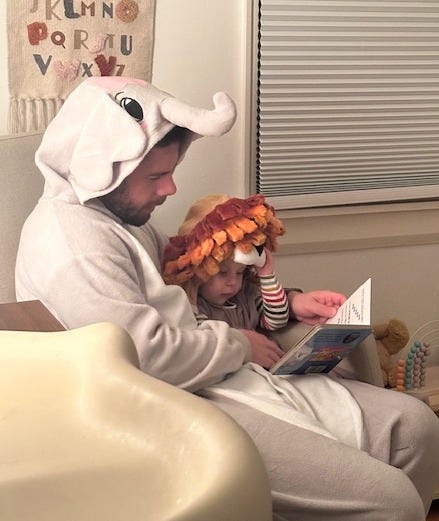
We start at home, with our families. Young children model what they see. Have books around your home and read to them from the time they are born. They also need to see you reading. Renew your library card, and when you are at it, help your child get their library card. Set aside time in the day for reading.
Reading also requires diverting attention from screens of all types, such as phones, monitors, etc. Today’s children look like mini-adults, praying over tablets and handheld devices but seldom bent over reading a book.
Many resources exist about literacy for children, including how to support their early reading with listening and identifying sounds, strategies for learning phonics and improving comprehension. For more, check out the link at the end of this article, “11 Ways Parents Can Help Their Children Read.”
So, on Family Literacy Day, celebrate by reading together and picking up your book or magazine. Make this the year to increase reading for everyone in your home.
https://www.thenationalliteracyinstitute.com/post/literacy-statistics-2024-2025-where-we-are-now
https://www.readingrockets.org/blogs/shanahan-on-literacy/11-ways-parents-can-help-their-children-read

 Margaret Whitley